
The pomegranate (Punica granatum) is one of the oldest cultivated fruit plants, cherished for its jewel-like seeds, refreshing taste, and medicinal properties. Native to the Middle East and South Asia, this fruiting shrub or small tree has become a favorite in gardens worldwide due to its adaptability and ornamental beauty.
Growing a pomegranate plant at home is rewarding—both for its striking flowers and its delicious, antioxidant-rich fruits. But to get the best harvest, you need to understand its soil, water, sunlight, and pruning requirements. This guide provides everything you need to know about successful pomegranate plant care.
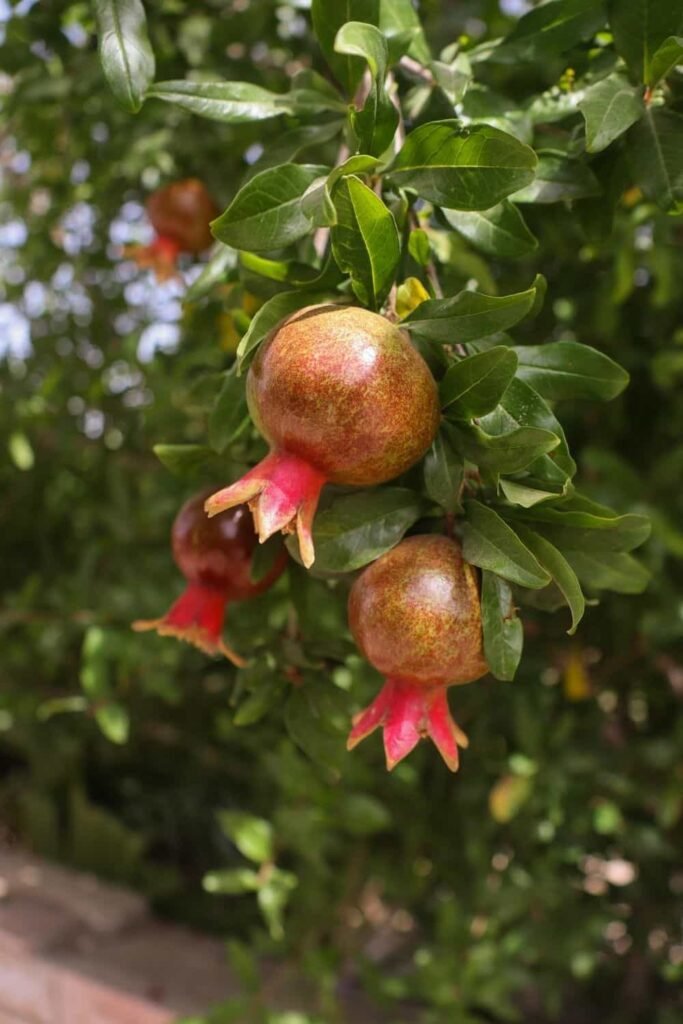
Table of Contents
🌞 Light Requirements
Pomegranates love the sun.
- Full sun is essential for fruit production—at least 6–8 hours of direct sunlight daily.
- Plants grown in partial shade will survive but may produce fewer flowers and smaller fruits.
- If growing indoors (in containers), place the plant near a bright, south-facing window or under a grow light.
💧 Watering the Pomegranate
Watering plays a vital role in fruit size and sweetness.
- Young plants: Water deeply once or twice a week to establish strong roots.
- Mature plants: Once established, they are drought-tolerant but perform best with consistent watering.
- During the fruiting stage, keep soil evenly moist to prevent fruit splitting.
- Always avoid waterlogging, as soggy roots can lead to rot.
👉 Tip: Mulching around the base helps retain moisture and regulate soil temperature.
🌱 Soil Requirements
Pomegranates are adaptable but thrive best in well-drained, loamy soil.
- pH level: Slightly acidic to neutral (5.5–7.2).
- Avoid heavy clay soils that retain too much water.
- For container growing, use a high-quality potting mix with sand or perlite added for drainage.
🌡️ Temperature & Climate
The pomegranate is a hardy plant that tolerates diverse conditions.
- Ideal temperature range: 70–90°F (21–32°C).
- It can withstand short periods of frost down to 20°F (-6°C), but young plants need protection.
- Best suited for warm, dry climates with long summers.
🌸 Fertilization
Regular feeding ensures healthy growth and high yields.
- Apply a balanced fertilizer (10-10-10) in early spring as new growth appears.
- Repeat once or twice during the growing season.
- Avoid over-fertilizing with nitrogen, as it encourages foliage over fruit production.
- Organic options such as compost or well-rotted manure work well too.
✂️ Pruning & Maintenance
Pruning helps shape the plant, improve airflow, and increase fruiting.
- Formative pruning: In the first 2–3 years, train the plant into a multi-stemmed shrub or a small tree form.
- Annual pruning: Remove dead, weak, or crossing branches in late winter.
- Thin out crowded growth to allow light penetration.
- Suckers (shoots from the base) should be removed regularly.
🌱 Repotting (for Container Plants)
If growing in pots:
- Repot every 2–3 years in spring.
- Choose a container slightly larger than the previous one with good drainage holes.
- Refresh soil during repotting to replenish nutrients.
🌿 Propagation
You can propagate pomegranates easily.
- From cuttings: Take hardwood cuttings in winter and root them in moist soil.
- From seeds: Possible, but fruiting may take longer and quality can vary.
⚠️ Common Problems & Solutions
- Fruit splitting: Caused by irregular watering—maintain consistent moisture.
- Yellowing leaves: Often due to overwatering or poor drainage.
- Pests: Aphids, whiteflies, and mealybugs can attack; treat with neem oil or insecticidal soap.
- Fungal diseases: Avoid overhead watering and ensure good airflow to prevent leaf spots and rot.
🌟 Benefits of Growing Pomegranate
- Nutritional powerhouse: Rich in antioxidants, vitamins, and minerals.
- Decorative value: Glossy green leaves, vibrant red-orange flowers, and attractive fruits.
- Low maintenance: Hardy, drought-tolerant, and adaptable to various soils.
🪴 Final Thoughts
The pomegranate plant is not just a fruiting shrub—it’s a symbol of abundance, health, and resilience. With the right care—ample sunlight, consistent watering, well-drained soil, and seasonal pruning—you can enjoy both its beauty and its harvest for years.
Whether you plant it in the ground or in a container, the pomegranate rewards you with vibrant blooms in summer and nutrient-rich fruits in autumn. A little care goes a long way in keeping this timeless plant thriving