
The Eucalyptus plant is widely admired for its soothing fragrance, striking silver-green leaves, and natural ability to purify indoor air. Although best known for thriving in warm outdoor climates, eucalyptus can also be grown successfully indoors with the right care routine. Whether you’re nurturing a small potted eucalyptus or managing a growing tree in your garden, understanding its needs is key to keeping it healthy, strong, and beautifully aromatic.
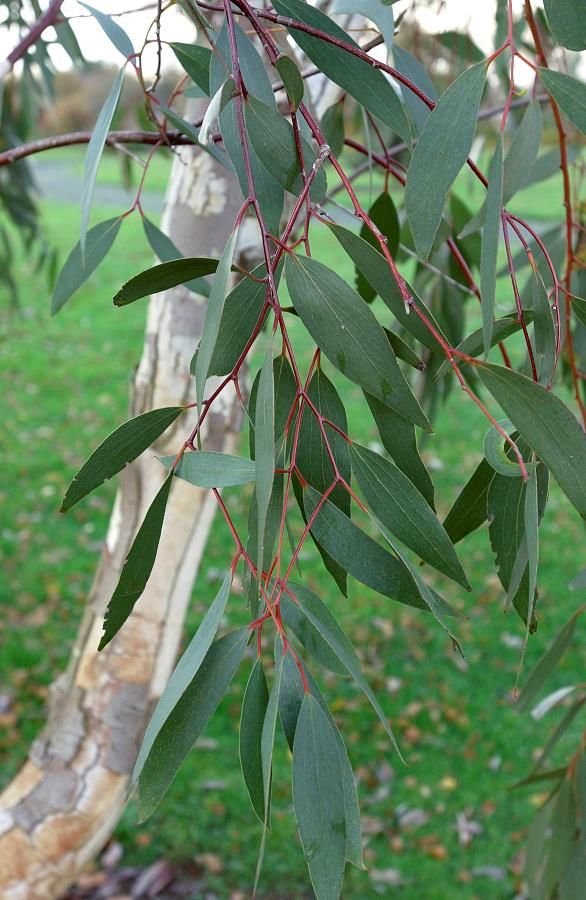
Table of Contents
1. Understanding the Eucalyptus Plant
Eucalyptus is a fast-growing evergreen native to Australia. It is naturally adapted to bright sunlight, well-drained soil, and warm temperatures. When grown indoors, the plant requires an environment that mimics its natural habitat as closely as possible.
There are several varieties suitable for home growth, such as:
- Eucalyptus gunnii (Cider Gum)
- Eucalyptus globulus (Blue Gum)
- Eucalyptus cinerea (Silver Dollar Plant)
All varieties share similar care requirements, especially in terms of light and moisture.
2. Light Requirements
Eucalyptus requires full, bright light to thrive. If you’re growing it inside, choose the sunniest spot in your home.
Ideal lighting conditions:
- At least 6–8 hours of direct sunlight per day.
- South-facing windows work best.
- Outdoors, place the plant where it receives full sun throughout the day.
Insufficient light causes leggy, weak growth and dull leaves.
3. Watering Schedule
Eucalyptus prefers a slightly dry environment. Overwatering is one of the most common reasons for plant decline.
Watering guidelines:
- Water only when the top 1–2 inches of soil feel dry.
- Avoid soggy or constantly wet soil.
- During hot months, water more frequently.
- In winter, reduce watering significantly as the plant’s growth slows.
Never let the roots sit in standing water, as eucalyptus is highly sensitive to root rot.
4. Soil and Potting Needs
Proper soil is crucial for healthy eucalyptus growth.
Best soil mix:
- Well-draining potting mix
- A blend containing sand, perlite, or bark improves drainage
- Neutral to slightly acidic pH
For containers, choose pots with multiple drainage holes to prevent moisture retention.
5. Temperature and Humidity
This plant naturally adapted to warm climates.
Temperature range:
- Ideal: 18°C – 29°C
- Avoid cold drafts and sudden temperature drops.
- Not frost-tolerant (except some hardy varieties).
Humidity is not a major concern; this plant grows well in both normal and low humidity environments.
6. Fertilization
This plant grows rapidly, so occasional feeding supports fuller, healthier development.
Fertilizer tips:
- Use a balanced, slow-release fertilizer during spring and early summer.
- Avoid heavy or frequent fertilization.
- Do not fertilize during winter dormancy.
Over-fertilizing can burn the roots or cause overly quick, weak growth.
7. Pruning and Maintenance
Pruning helps maintain shape, encourage bushier growth, and keep the plant manageable—especially if grown indoors.
Pruning guidelines:
- Prune in early spring before new growth begins.
- Remove leggy or weak stems.
- Trim the top regularly to encourage side branching.
- Never remove more than one-third of the plant at once.
Pruned eucalyptus leaves can be used for DIY décor, drying, or fresh arrangements.
8. Pest and Disease Protection
This plant is naturally pest-resistant but not completely immune.
Common issues:
- Aphids
- Spider mites
- Powdery mildew (in overly humid conditions)
Treatment:
- Spray with neem oil or insecticidal soap.
- Improve airflow around the plant.
- Avoid excess humidity.
Healthy eucalyptus rarely suffers from disease.
9. Repotting
This plant grows fast and may outgrow its pot quickly.
Repot when:
- Roots appear through drainage holes
- Growth slows down
- Soil dries too quickly
Move the plant to a pot only one size larger to avoid water retention problems.
10. Indoor vs. Outdoor Growth
Growing Indoors
- Requires strong, consistent light
- Needs more attention to watering
- Ideal for smaller varieties
Growing Outdoors
- Perfect for warmer climates
- Faster growth and lower maintenance
- Suitable for landscape planting
Final Thoughts
Caring for a eucalyptus plant is simple once you understand its natural preferences. With bright sunlight, well-drained soil, and moderate watering, your plant will reward you with vibrant foliage and refreshing fragrance throughout the year. Whether placed indoors as a decorative accent or planted outdoors as a fast-growing tree, eucalyptus adds a touch of elegance and calm to any space.
If you’re looking for a hardy, aromatic, and visually striking plant, eucalyptus is an excellent choice for both beginners and experienced plant lovers.

Hey everyone! If you’re trying to figure out what season you are, understanding your skin tone and undertones is important. For example, if you have pale skin with honey undertones, you might notice that vibrant autumn hair colors or a sharp deep summer color palette really suit you. Using tools like color season tests or an web-based color analysis can help clarify whether you fit into categories like soft autumn, dark winter, or light spring, making it more straightforward to pick the best makeup and clothing colors.
Also, exploring with virtual hair color try-on apps or hair dye simulators can be very helpful before finalizing a new look. If you want a quick, gratis seasonal color analysis or a color palette test to get started, look at [url=https://color-analysis-test.org]what colors look good on light skin[/url] — it gives a simple way to find your personal color season and check out trendy 2026 hair color ideas that match your natural tones.
Finding the right foundation shade can be challenging, especially when evaluating the array of skin tones like fair olive, olive-colored skin, or warm undertones. A solid start is to identify your skin’s undertone—whether it’s icy, hot, or neutral—and then search for foundations that enhance those shades. If you’re finding it hard to find your foundation shade, utilities like online color palette analysis or complimentary color analysis tests can be very handy for coordinating both makeup and clothing colors to your own style.
Also, understanding your seasonal color palette (springtime, light, rich, dramatic) can make a significant difference in how your makeup and outfits look on you. You can explore quizzes for “what’s my color season” or “color palette quiz” online to get individual recommendations. For a web-based try-on experience, hair color simulators and foundation shade finders present a risk-free way to play around before buying. Explore this resource for more detailed guidance [url=https://color-analysis-ai.org]best colors for yellow undertone skin[/url] .