The Pink Panther plant, commonly known as the Pink Polka Dot Plant (Hypoestes phyllostachya), is a stunning houseplant admired for its vibrant pink, spotted foliage. Its playful appearance makes it a favorite for indoor gardeners who want to add color, charm, and life to their homes, offices, or gardens.
Though compact, this plant can be a striking centerpiece when cared for properly. In this guide, we’ll cover light, watering, soil, fertilization, pruning, propagation, and common issues to help you grow a thriving Pink Panther plant.
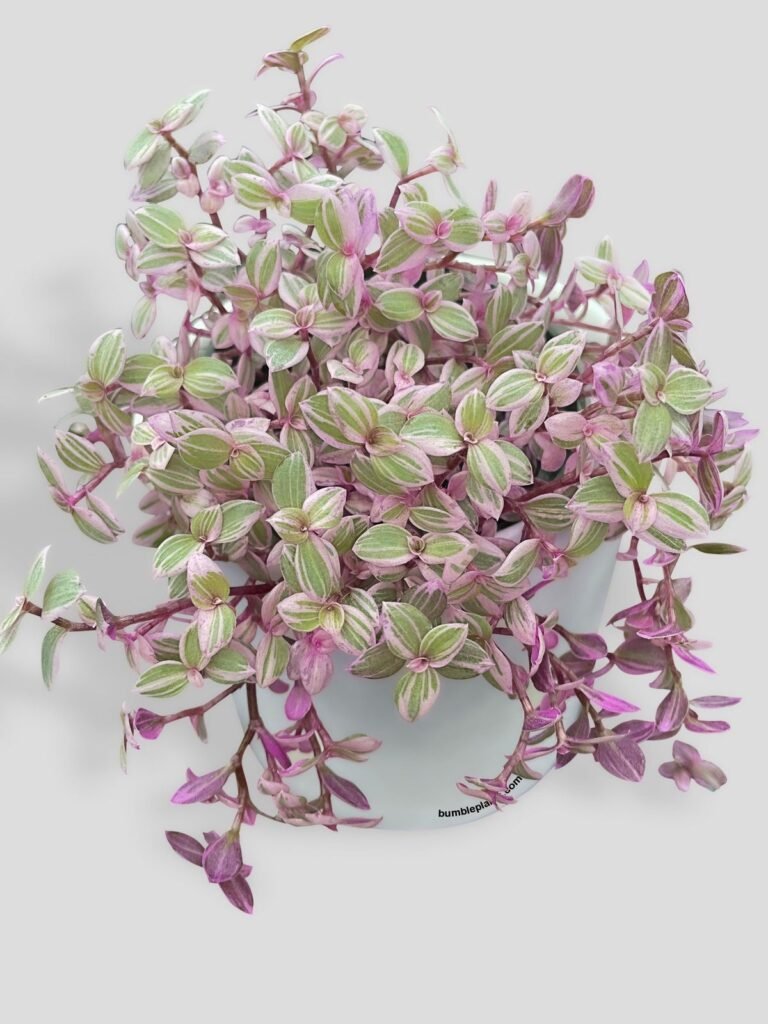
Table of Contents
🌞 Light Requirements
Pink Panther plants flourish in bright, indirect light.
- Ideal: Place near an east- or south-facing window with filtered sunlight.
- Too much direct sunlight: Can scorch the delicate pink leaves.
- Too little light: Leaf color will fade, and stems may become leggy.
💡 Tip: Rotate the plant occasionally to ensure even growth and maintain its vibrant foliage.
💧 Watering Needs
This plant prefers evenly moist soil but does not tolerate waterlogging.
- Water when the top inch of soil is dry.
- Avoid letting the soil completely dry out, as this can cause wilting and leaf loss.
- During winter, reduce watering slightly since growth slows down.
⚠️ Overwatering is the most common cause of root rot in Pink Panther plants.
🌱 Soil Requirements
The Pink Panther plant grows best in well-draining, fertile soil.
- Recommended mix: 1 part potting soil + 1 part peat moss + 1 part perlite.
- Soil should retain some moisture but allow excess water to drain freely.
- Slightly acidic to neutral soil (pH 6.0–7.0) works best.
🌡️ Temperature and Humidity
Being tropical in origin, this plant thrives in warm, humid conditions.
- Temperature: 65–80°F (18–27°C). Avoid temperatures below 60°F (15°C).
- Humidity: Prefers 60% or higher. Low humidity can cause leaf browning.
- Increase humidity by misting regularly, using a pebble tray, or placing the plant near other plants.
🌸 Fertilizing Routine
- Feed every 2–3 weeks during the growing season (spring and summer) with a balanced liquid fertilizer (10-10-10).
- Reduce feeding in fall and winter.
- Over-fertilizing can cause leaf burn or loss of vibrant color.
✂️ Pruning and Maintenance
- Pinch back stems regularly to encourage bushy, compact growth.
- Remove yellowing or damaged leaves promptly.
- If the plant becomes leggy, prune stems back to maintain shape and promote new shoots.
💡 Fun fact: Frequent pruning not only keeps the plant healthy but also intensifies the pink coloration on the leaves.
🌱 Propagation
The Pink Panther plant is easy to propagate through stem cuttings.
- Take a 3–4 inch cutting from a healthy stem.
- Remove the lower leaves, leaving 2–3 at the top.
- Place in water or moist soil.
- Roots develop in 2–4 weeks under bright, indirect light.
Once rooted, transplant into a well-draining potting mix.
⚠️ Common Problems and Solutions
- Faded or dull leaves: Too little light; move to brighter indirect light.
- Leggy growth: Occurs when the plant is not pruned regularly. Pinch stems back.
- Leaf drop or wilting: Can result from overwatering or underwatering. Adjust watering schedule.
- Pests (aphids, spider mites, mealybugs): Wipe leaves with insecticidal soap or neem oil.
🌿 Benefits of Growing Pink Panther Plant
- Bright, decorative foliage adds a pop of color indoors.
- Compact size makes it perfect for small apartments, desks, or shelves.
- Easy to care for, making it ideal for beginners.
- Encourages mindfulness and reduces stress by connecting you to greenery.
🪴 Final Thoughts
The Pink Panther Plant (Hypoestes phyllostachya) is a charming, colorful addition to any home. With the right light, water, soil, and humidity, it will thrive and display its vibrant pink foliage for months.
Regular pruning, careful watering, and proper placement will ensure your plant stays healthy and attractive. Whether used as a centerpiece, in a terrarium, or as part of a mixed indoor garden, the Pink Panther plant adds personality, cheer, and elegance to your space.