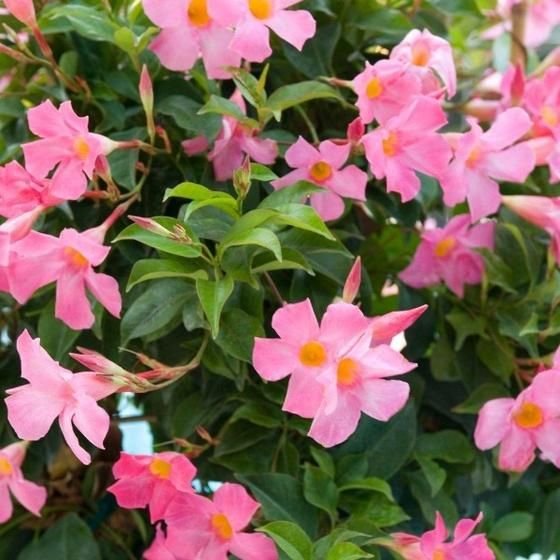
The Pothos plant (Epipremnum aureum), also known as the Devil’s Ivy, is one of the most popular indoor plants worldwide. Famous for its heart-shaped, glossy leaves and trailing vines, it’s a favorite among both beginners and experienced plant enthusiasts. Its ability to thrive in a variety of conditions makes it perfect for homes, offices, and even low-light spaces.
In this guide, we’ll cover everything you need to know about Pothos plant care, including lighting, watering, soil, pruning, propagation, and solutions to common problems.
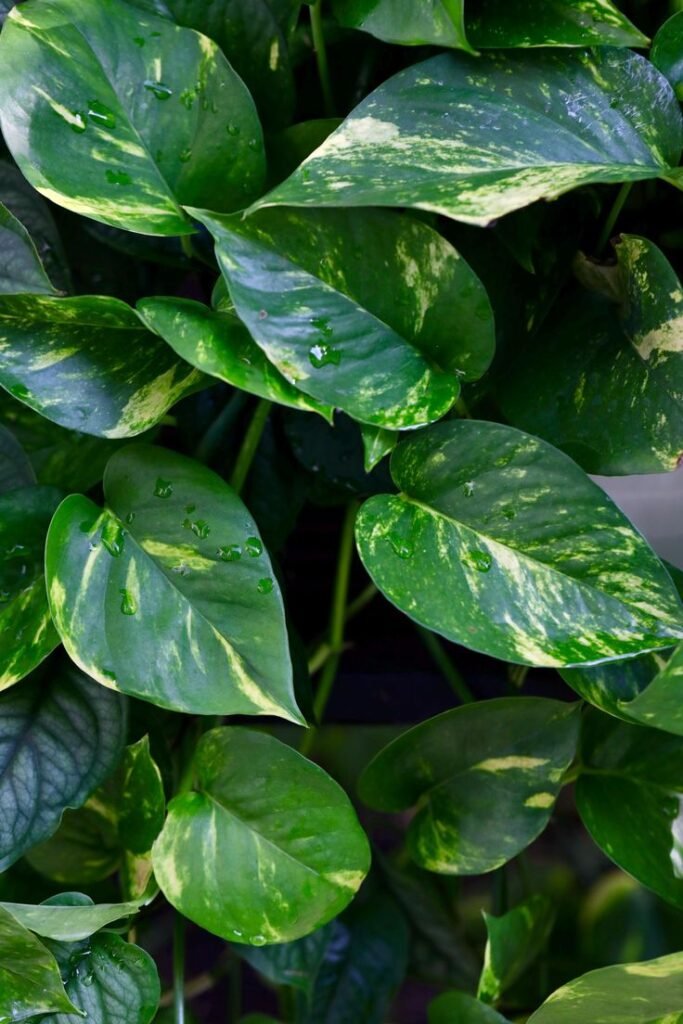
Table of Contents
🌞 Light Requirements
Pothos plants are highly adaptable but prefer bright, indirect light.
- Ideal: East- or north-facing windows.
- Low-light tolerance: Can survive in low-light corners but growth may slow and leaf variegation may fade.
- Avoid direct sunlight: Strong sun can scorch the leaves.
💡 Tip: Rotate the plant occasionally to promote even growth on all sides.
💧 Watering Needs
Watering is crucial for healthy Pothos growth.
- Frequency: Allow the top 1–2 inches of soil to dry out between waterings.
- Overwatering can cause yellow leaves and root rot, while underwatering may lead to drooping leaves.
- In winter, reduce watering frequency as growth slows.
🌱 Soil Requirements
Pothos prefer well-draining soil that retains a little moisture.
- Best mix: 2 parts potting soil + 1 part perlite + 1 part peat moss.
- Ensure the pot has drainage holes to prevent waterlogging.
🌡️ Temperature & Humidity
Being a tropical plant, Pothos loves warmth and moderate humidity.
- Temperature range: 60–85°F (16–29°C).
- Humidity: Normal indoor humidity is sufficient, but occasional misting helps if the air is dry.
- Avoid cold drafts or sudden temperature drops.
🌸 Fertilizing Routine
Pothos plants are relatively low-maintenance but respond well to feeding.
- Use a balanced liquid fertilizer (10-10-10) every 4–6 weeks during spring and summer.
- Stop fertilizing in fall and winter.
💡 Tip: Overfertilizing can burn the roots and damage leaves, so always follow recommended dosages.
✂️ Pruning & Maintenance
Pruning keeps your Pothos healthy and encourages fuller growth.
- Trim long, leggy vines to promote bushier growth.
- Remove yellowing or damaged leaves regularly.
- Pothos can be grown in hanging baskets, on shelves, or trained to climb trellises or poles.
🌱 Propagation
Pothos is very easy to propagate, making it ideal for beginners.
- Stem Cuttings:
- Cut a 4–6 inch healthy stem with at least 2–3 nodes.
- Place in water or moist soil.
- Roots appear in 2–4 weeks; transplant into soil once established.
- Pothos can also grow directly in water, making it perfect for indoor water propagation.
⚠️ Common Problems & Solutions
- Yellow Leaves: Usually caused by overwatering. Adjust the watering schedule.
- Brown Leaf Tips: Often due to low humidity or too much direct sunlight.
- Drooping Vines: Underwatering or sudden environmental changes.
- Pests (spider mites, mealybugs, scale): Wipe leaves and treat with neem oil or insecticidal soap.
🌿 Benefits of Pothos
- Air purifier: Removes toxins like formaldehyde, benzene, and xylene.
- Easy to care for: Perfect for beginners and busy lifestyles.
- Versatile growth: Can trail, climb, or grow in water.
- Low maintenance: Thrives in a variety of indoor conditions.
🪴 Final Thoughts
The Pothos plant (Epipremnum aureum) is a resilient, beautiful, and functional houseplant. With proper light, watering, and occasional fertilization, it can thrive for years while adding a touch of lush greenery to any space. Its low-maintenance nature and air-purifying qualities make it a must-have for homes, offices, or indoor gardens.
Whether you’re starting your indoor plant journey or adding to your collection, Pothos is a reliable, rewarding choice. It will be helpfull to you.