What Is a Chenille Plant?
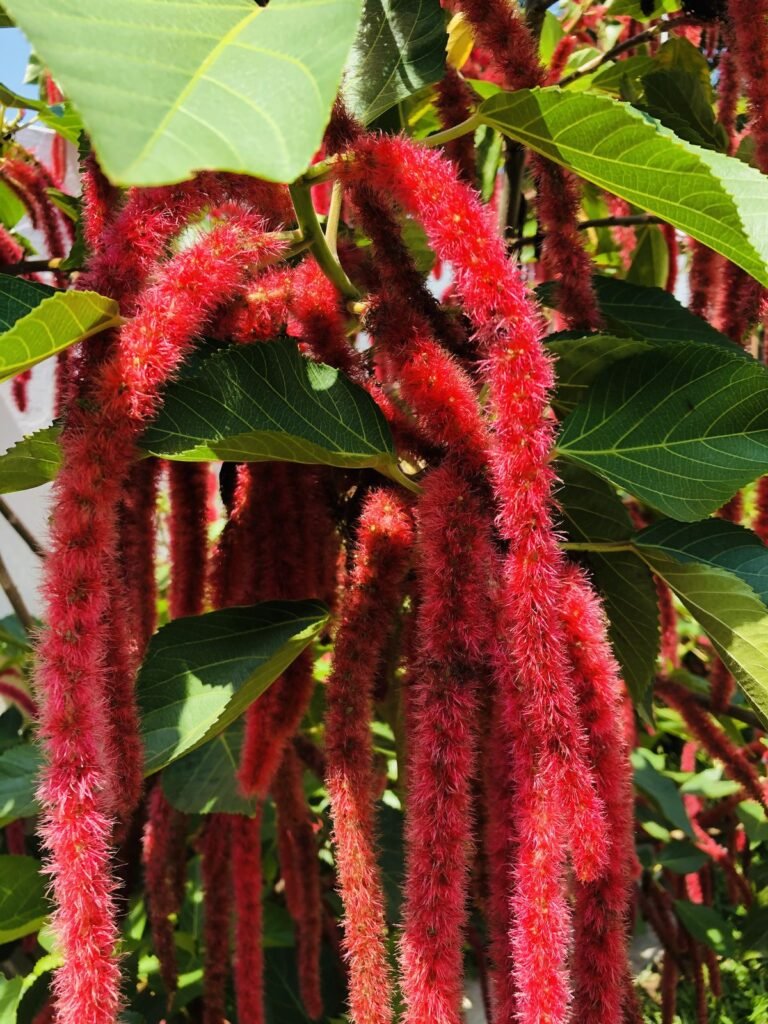
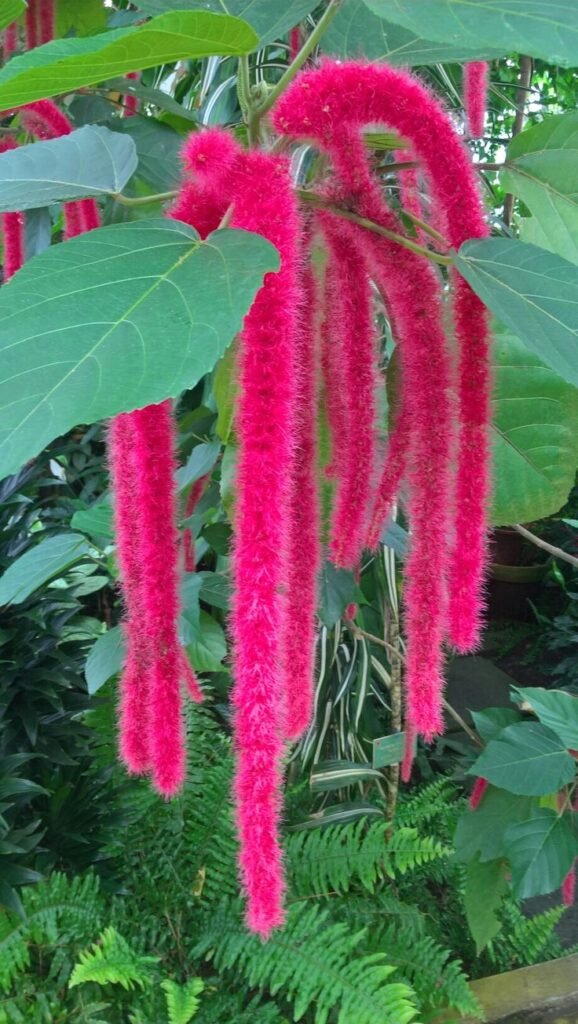
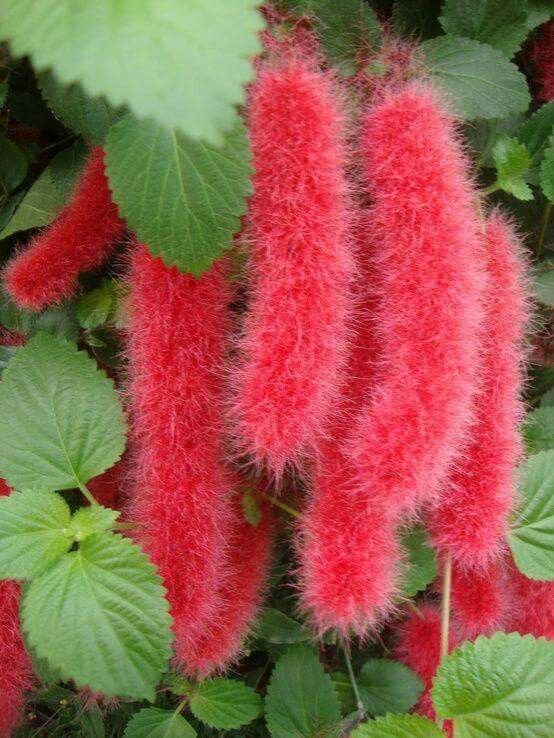
The chenille plant (Acalypha hispida) is a tropical ornamental plant best known for its long, fuzzy, red flower spikes that resemble a cat’s tail. Because of its unique appearance, it is commonly grown as a houseplant or outdoor ornamental in warm climates. With proper care, chenille plants can grow vigorously and remain attractive year-round.
Light Requirements for Chenille Plant
Chenille plants thrive in bright, indirect light.
Ideal light conditions:
- Bright filtered sunlight near a window
- Partial sun when grown outdoors
- Morning sun is preferred over harsh afternoon sun
Too little light can reduce flowering, while direct intense sunlight may scorch the leaves.
How Often to Water a Chenille Plant
Chenille plants prefer consistently moist soil, but they do not tolerate waterlogging.
Watering guidelines:
- Water when the top inch of soil feels dry
- Keep soil evenly moist during the growing season
- Reduce watering slightly in winter
Avoid letting the plant dry out completely, as this can cause leaf drop.
Best Soil for Chenille Plant
Well-draining yet moisture-retentive soil is essential.
Recommended soil mix:
- High-quality potting soil
- Added compost or peat moss
- Perlite for drainage
This combination supports healthy roots and steady growth.
Temperature and Humidity Needs
As a tropical plant, chenille plant prefers warm and humid conditions.
- Ideal temperature: 65–85°F (18–29°C)
- Humidity: Moderate to high
Low humidity may cause leaf edges to brown. Occasional misting or a humidity tray can help indoors.
Fertilizing Chenille Plant
Regular feeding encourages lush foliage and frequent flowering.
Fertilizer tips:
- Use a balanced liquid fertilizer
- Apply every 2–3 weeks during spring and summer
- Stop fertilizing in winter
Excess fertilizer can damage roots and reduce overall plant health.
Pruning and Maintenance
Pruning helps maintain shape and promotes new growth.
When to prune:
- After flowering
- When stems become leggy
Use clean pruning tools and remove dead or weak growth regularly.
Common Chenille Plant Problems and Solutions
Yellow Leaves
Cause: Overwatering or poor drainage
Solution: Improve drainage and reduce watering frequency
Drooping Leaves
Cause: Underwatering or dry air
Solution: Water consistently and increase humidity
Lack of Flowers
Cause: Low light or insufficient nutrients
Solution: Provide brighter light and regular fertilization
How to Propagate Chenille Plant
Chenille plants are usually propagated through stem cuttings.
Propagation steps:
- Take a healthy stem cutting
- Remove lower leaves
- Plant in moist, well-draining soil
- Keep warm and slightly humid
Roots typically form within a few weeks.
Common Mistakes to Avoid
- Allowing soil to dry out completely
- Exposing the plant to cold drafts
- Overfertilizing
- Growing in very low light
Avoiding these mistakes helps ensure healthy growth and consistent flowering.
Is Chenille Plant Suitable for Indoor Growing?
Yes. Chenille plants grow well indoors when provided with sufficient light, warmth, and humidity. They are best suited for bright rooms with stable temperatures.
Frequently Asked Questions (FAQs)
Does chenille plant need full sun?
No. Bright indirect light or partial sun is ideal.
How fast does a chenille plant grow?
It grows relatively fast during warm months with proper care.
Is chenille plant toxic?
It may cause mild irritation if ingested, so it should be kept away from pets and children.
Final Thoughts
Chenille plant care is straightforward when its basic needs are met. With proper light, consistent watering, warm temperatures, and occasional pruning, this plant can thrive and produce its signature fuzzy flowers for long periods. It is an excellent choice for gardeners looking to add a bold and tropical look to their space. chenille plant can improve the beauty of your garden or place where your other charming flowers are trying to make your balcony graceful,charming,and more beautiful. we should recommend you to try this once.