The Coffee Plant (Coffea arabica) is a tropical beauty that brings a touch of the rainforest into your home. Not only is it grown for its rich, aromatic beans, but it’s also a popular ornamental houseplant thanks to its glossy green leaves, fragrant white flowers, and compact size.
Whether you’re a coffee lover who wants to grow your own beans or a houseplant enthusiast seeking a unique indoor plant, proper care is key. This professional guide covers light, water, soil, fertilization, pruning, propagation, and common problems for a thriving Coffee Plant.
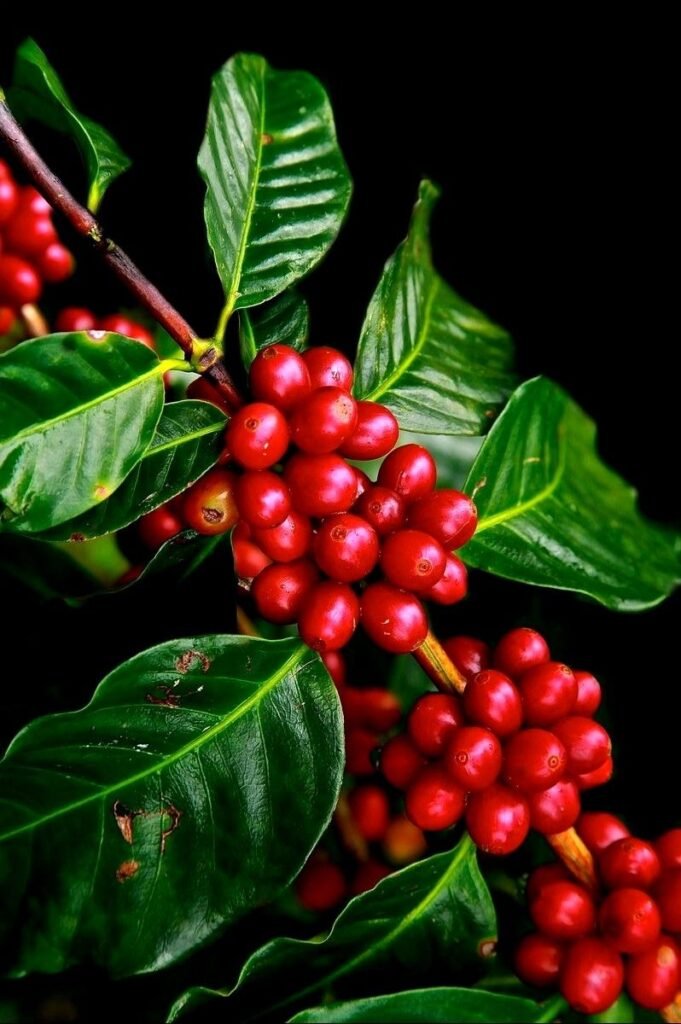
Table of Contents
🌞 Light Requirements
Coffee plants thrive in bright, indirect light.
- Ideal placement: Near an east- or north-facing window.
- Avoid direct sunlight: Harsh sun can scorch leaves.
- Too little light: Leaves will yellow and growth will slow.
💡 Tip: Rotate your plant regularly to encourage even growth.
💧 Watering Needs
Coffee plants love consistent moisture, but overwatering can be harmful.
- Water when the top 1 inch of soil is dry.
- Use room-temperature water for best results.
- Ensure proper drainage to prevent root rot.
⚠️ Signs of overwatering: Yellowing leaves, mushy roots.
Signs of underwatering: Wilting, brown leaf edges.
🌱 Soil Requirements
A well-draining, rich soil is essential for healthy growth.
- Recommended mix: 1 part potting soil + 1 part peat moss + 1 part perlite.
- Coffee plants prefer slightly acidic soil with a pH of 6–6.5.
- Refresh soil every 2–3 years or when repotting.
🌡️ Temperature & Humidity
Being tropical, Coffee Plants enjoy warmth and humidity.
- Temperature: 65–75°F (18–24°C) is ideal.
- Cold tolerance: Avoid temperatures below 55°F (13°C).
- Humidity: Moderate to high; mist leaves regularly or use a pebble tray if indoors.
💡 Tip: Coffee plants do well in kitchens or bathrooms where humidity is naturally higher.
🌸 Fertilizing Routine
Coffee plants benefit from regular feeding during their growing season.
- Use a balanced liquid fertilizer (10-10-10) every 2–4 weeks in spring and summer.
- Reduce feeding in fall and winter.
- Avoid over-fertilization, which can cause leaf burn.
✂️ Pruning and Maintenance
Proper pruning keeps Coffee Plants healthy and encourages bushier growth.
- Remove yellowing or damaged leaves promptly.
- Trim leggy stems to maintain shape.
- Pinch new growth tips to promote branching.
🌱 Propagation
Coffee plants can be propagated through seeds or stem cuttings:
- Seeds: Soak fresh seeds for 24 hours before planting in moist soil. Germination can take 2–4 weeks.
- Cuttings: Take a healthy 4–6 inch stem, remove lower leaves, and root in moist soil or water until roots form.
⚠️ Common Problems and Solutions
- Leaf Drop: Caused by sudden temperature changes or drafts. Keep conditions stable.
- Yellow Leaves: Overwatering or nutrient deficiency. Adjust watering and fertilize carefully.
- Brown Leaf Edges: Low humidity or underwatering. Increase humidity and maintain soil moisture.
- Pests (spider mites, aphids, scale): Treat with neem oil or insecticidal soap.
🌿 Additional Tips
- Coffee plants produce fragrant white flowers, which can bloom indoors in ideal conditions.
- Mature plants can produce small coffee cherries, though indoor fruiting is rare.
- Place near other plants to create a mini “tropical corner,” which helps maintain humidity naturally.
🪴 Why Grow a Coffee Plant?
- Unique ornamental foliage and fragrant flowers.
- A conversation starter for homes and offices.
- Can grow indoors with proper care.
- Provides a connection to the source of your morning coffee!
🌟 Final Thoughts
The Coffee Plant (Coffea arabica) is more than just a coffee source—it’s a tropical houseplant that adds beauty, fragrance, and a sense of calm to any space. With proper light, water, soil, and humidity, it can thrive indoors for years.
Whether you want a lush green plant for decoration or hope to someday harvest your own coffee beans, this plant is rewarding for any indoor gardener.