Dipladenia plant, also known as Mandevilla sanderi, is a charming tropical plant admired for its glossy green leaves and trumpet-shaped flowers. It’s a compact, low-maintenance bloomer that grows beautifully in containers, hanging baskets, and sunny garden corners. Although Dipladenia is easy to maintain, proper care ensures stronger growth and a continuous display of vibrant blooms throughout the warm seasons.
This professional guide covers everything you need to keep your Dipladenia healthy, flourishing, and flowering consistently.
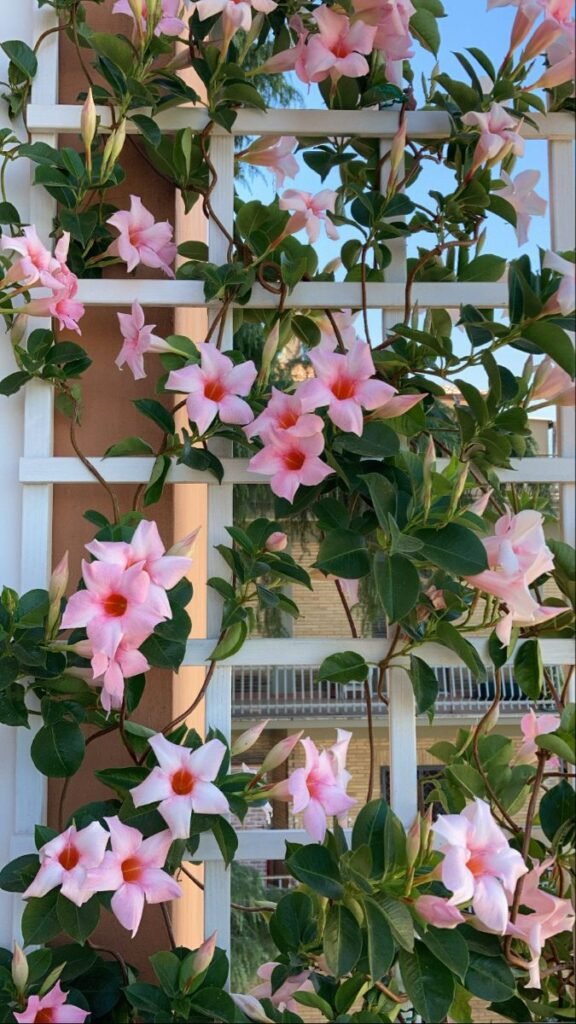
Table of Contents
1. Understanding the Dipladenia Plant
Dipladenia plant is a bushier cousin of the Mandevilla vine. Unlike the more climbing varieties, Dipladenia naturally grows in a shrubby, fountain-like form. It produces long-lasting flowers in shades of red, pink, and white. Its tropical nature means it loves heat, bright light, and slightly moist soil — conditions similar to its native South American environment.
2. Light Requirements
Dipladenia plant performs best in bright, indirect sunlight to full sun.
- 6–8 hours of light daily encourages heavy flowering.
- If grown indoors, place it near a south- or west-facing window.
- Insufficient light leads to fewer blooms and leggy growth.
In very hot climates, some afternoon shade helps prevent leaf burn.
3. Watering Schedule
Dipladenia plant prefers evenly moist but never soggy soil.
- Water when the top 1–2 inches of soil feels dry.
- Reduce watering during cooler months.
- Ensure the pot has proper drainage to avoid root rot.
This plant tolerates mild drought because of its thick, tuber-like roots, but consistent moisture supports healthier blooms.
4. Soil Mix
A well-draining, lightweight soil is essential. A premium potting mix containing the following works best:
- Peat moss or coco coir
- Perlite or coarse sand
- Pine bark
The soil should hold gentle moisture yet drain quickly. Heavy garden soil is not recommended.
5. Temperature & Humidity
Dipladenia plant loves warm tropical conditions.
- Ideal temperature range: 18°C to 30°C (65°F to 86°F).
- Protect from frost — temperatures below 10°C (50°F) can damage the plant.
- Moderate humidity is sufficient, but it thrives in slightly higher humidity levels.
Indoors, avoid placing it near cold drafts or air conditioners.
6. Fertilization Routine
To maintain continuous blooms, Dipladenia plant needs a balanced feeding routine:
- Use a slow-release fertilizer in early spring.
- During the blooming season, feed with a liquid fertilizer high in phosphorus every 2–3 weeks.
- Avoid excessive nitrogen, which promotes leaves instead of flowers.
Consistent feeding ensures vibrant, trumpet-shaped blooms all summer long.
7. Pruning & Maintenance
Pruning helps maintain shape and encourages fresh growth:
- Prune lightly in early spring before new growth begins.
- Remove dead or weak stems to improve airflow.
- Pinch new growth tips for a bushier, fuller plant.
Dipladenia naturally grows compact, so heavy pruning is rarely necessary.
8. Repotting
Dipladenia plant prefers being slightly rootbound. Repot only when:
- Roots circle the bottom of the container
- Soil compacts and drains poorly
- The plant becomes top-heavy
Choose a pot one size larger and refresh the soil for best results.
9. Common Problems & Solutions
Although generally resilient, Dipladenia plant can face occasional issues:
Yellow Leaves
- Overwatering
- Poor drainage
- Sudden temperature changes
Lack of Blooms
- Not enough sunlight
- Too much nitrogen fertilizer
- Rootbound stress (mild rootbound is okay, but extreme stress reduces flowering)
Pests
- Spider mites
- Aphids
- Whiteflies
Treatment: Rinse leaves, improve airflow, and use insecticidal soap if needed.
10. Growing Dipladenia Indoors vs Outdoors
Outdoors:
Provides the best flowering results due to natural sunlight and warmth.
Indoors:
Still grows well if placed near bright windows. Ensure good ventilation and avoid overwatering.
11. Winter Care
This plant is not frost-tolerant.
- Move it indoors before temperatures drop below 10°C (50°F).
- Reduce watering significantly.
- Provide bright indoor light to maintain health until spring.
12. Propagation
This plant can be propagated through stem cuttings:
- Take 4–6 inch cuttings from healthy new growth.
- Remove lower leaves and dip the cut end into rooting hormone.
- Plant in moist, well-draining soil.
- Keep warm and lightly humid until roots form.
Propagation success is higher during the warm months.
Final Thoughts
Dipladenia plant is a rewarding plant that brings tropical beauty with minimal effort. With the right sunlight, careful watering, and a simple feeding routine, it will reward you with lush foliage and vibrant flowers season after season. Whether grown in containers, patios, balconies, or sunny indoor spots, this plant adds elegance and color wherever it resides.
If you’re looking for a plant that combines beauty, durability, and low maintenance, Dipladenia plant is truly one of the best choices.