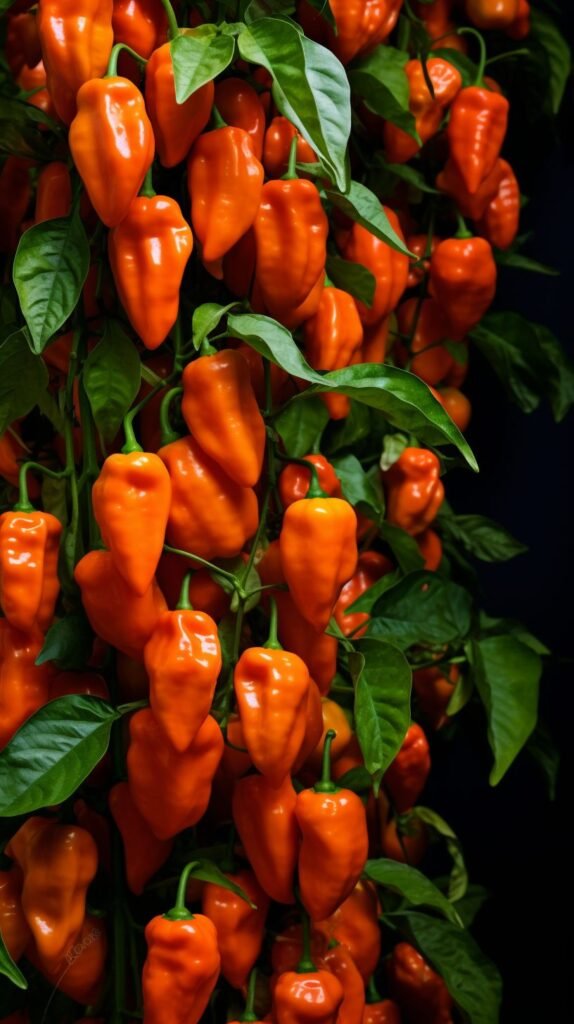
Habanero peppers are famous for their intense heat, fruity flavor, and vibrant colors. Ranked among the hottest chili peppers in the world, Habanero plants (Capsicum chinense) are surprisingly rewarding to grow—whether in a garden bed, raised planter, or container.
While many gardeners think habaneros are difficult, the truth is that with the right balance of sunlight, warmth, water, and nutrients, these plants can thrive and produce heavy yields. This guide walks you through professional habanero plant care, from seed to harvest, using proven techniques trusted by experienced growers.
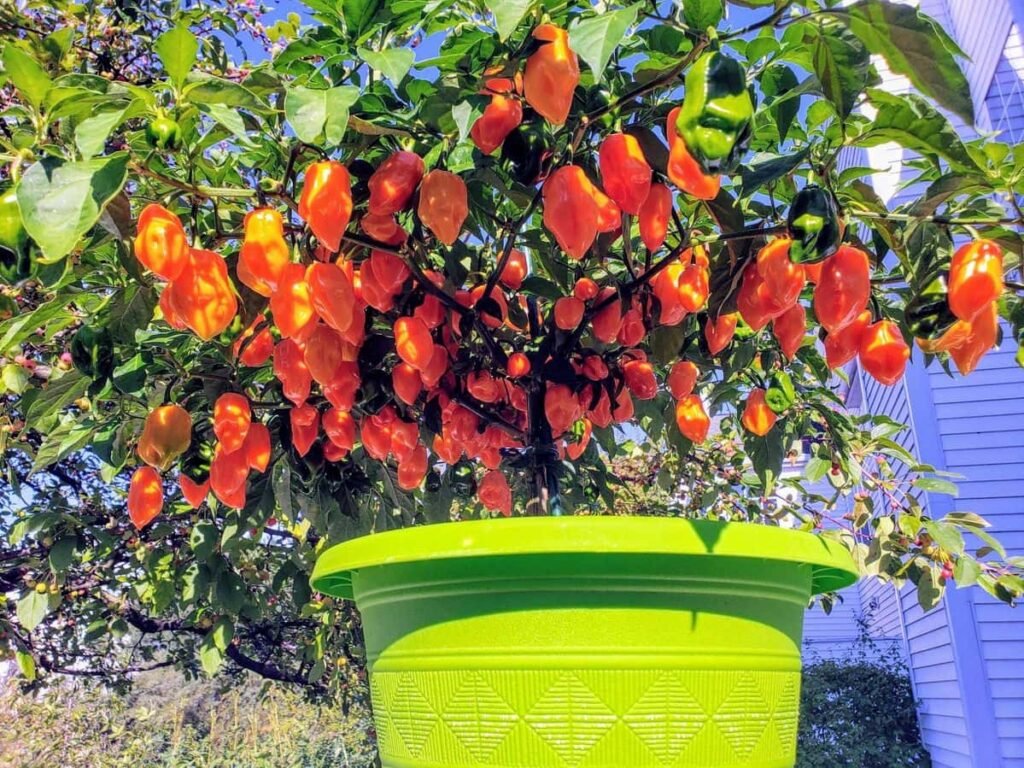
Table of Contents
🔥 Why Grow Habanero Peppers?
Habaneros are not just about heat—they offer:
- A unique fruity, citrus-like flavor
- High yields with proper care
- Long fruiting season
- Excellent use in sauces, salsas, and drying
- Strong pest resistance compared to other peppers
With correct care, a single plant can produce 50–100 peppers in one season.
🌞 Light Requirements for Habanero Plants
Sunlight is the most critical factor in habanero success.
- Minimum requirement: 6–8 hours of direct sunlight daily
- Ideal: Full sun exposure, especially morning sun
- Indoor growing: Use grow lights (12–14 hours/day)
Lack of sunlight leads to:
- Slow growth
- Fewer flowers
- Poor fruit development
👉 Tip: If growing in containers, rotate the pot every few days for even growth.
🌱 Best Soil for Habanero Plant Care
Habanero plants demand loose, nutrient-rich, and well-draining soil.
Ideal Soil Mix:
- 40% high-quality potting soil
- 30% compost or aged manure
- 20% perlite or sand
- 10% coco coir or peat moss
Soil pH: 6.0–6.8 (slightly acidic)
⚠️ Avoid compact or clay-heavy soil—it causes root suffocation and fungal disease.
💧 Watering Habanero Plants Correctly
Watering mistakes are the #1 reason habanero plants fail.
Best Watering Practices:
- Water deeply when the top 1–2 inches of soil are dry
- Early morning watering is ideal
- Reduce frequency during cooler weather
- Never let roots sit in standing water
Signs of Improper Watering:
- Yellow leaves → Overwatering
- Wilting leaves → Underwatering or heat stress
- Flower drop → Inconsistent watering
👉 Consistency is more important than quantity.
🌡️ Temperature & Climate Needs
Habaneros are true tropical plants.
- Ideal daytime temperature: 70–90°F (21–32°C)
- Night temperature: Above 55°F (13°C)
- Frost tolerance: None (plants die below 40°F / 4°C)
In cooler climates:
- Grow in containers
- Move plants indoors during cold nights
- Use mulch to stabilize soil temperature
🌸 Fertilizer Schedule for Maximum Yield
Proper feeding dramatically increases fruit production.
Fertilizer Plan:
- Early growth: Balanced fertilizer (10-10-10)
- Before flowering: Slightly higher nitrogen
- Flowering & fruiting: Low nitrogen, high phosphorus & potassium (5-10-10)
- Feed every 2–3 weeks
- Avoid over-fertilizing nitrogen—it causes leafy growth but fewer peppers
💡 Organic options: Fish emulsion, compost tea, bone meal
✂️ Pruning & Plant Support
Pruning improves airflow and yield.
Pruning Tips:
- Remove weak lower branches
- Pinch early flowers to strengthen roots
- Cut dead or diseased leaves regularly
As plants mature:
- Use stakes or cages
- Heavy fruit loads can break branches
🌼 Flowering & Pollination
Habanero flowers are self-pollinating, but productivity improves with:
- Gentle air movement
- Hand pollination using a soft brush
- Outdoor exposure to bees
⚠️ Flower drop can occur due to:
- Extreme heat
- Overwatering
- Nutrient imbalance
🌶️ Harvesting Habanero Peppers
Habaneros are ready 90–120 days after planting.
Harvest Indicators:
- Firm, glossy skin
- Full color (orange, red, yellow, or chocolate)
- Slight softness when gently pressed
✂️ Always use scissors or pruning shears to avoid damaging the plant.
⚠️ Common Problems & Expert Solutions
1. Leaves Curling
- Cause: Heat stress or aphids
- Fix: Shade cloth + neem oil
2. No Flowers
- Cause: Excess nitrogen
- Fix: Switch to bloom fertilizer
3. Root Rot
- Cause: Poor drainage
- Fix: Repot with fresh, airy soil
4. Pests (Aphids, Spider Mites)
- Solution: Neem oil or insecticidal soap weekly
🪴 Growing Habanero in Containers
Container growing works exceptionally well.
- Pot size: Minimum 5 gallons
- Material: Fabric or terracotta preferred
- Drainage holes are mandatory
Container plants offer:
- Easy mobility
- Better temperature control
- Fewer soil-borne diseases
🧠 Final Thoughts: Mastering Habanero Plant Care
Growing habanero peppers is a rewarding experience for gardeners who enjoy bold flavors and vibrant plants. While they require warmth, sunlight, and consistent care, habaneros are surprisingly resilient once established.