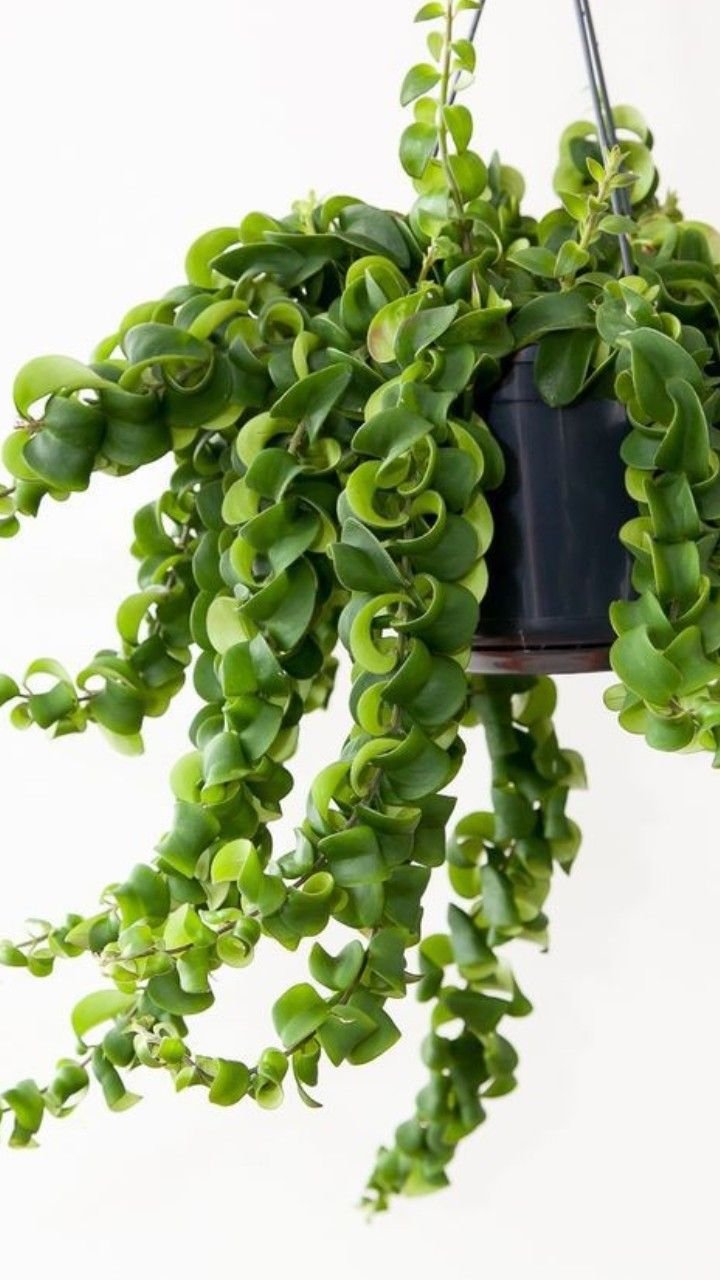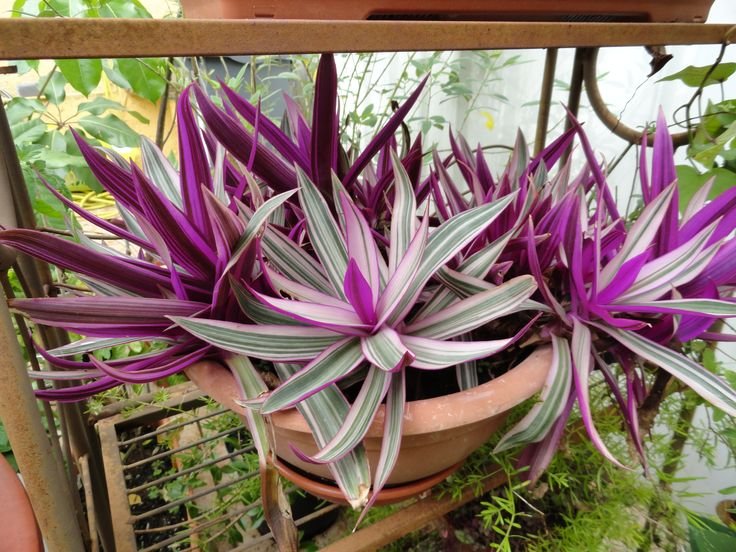
The Jelly Bean Plant (Senecio radicans “Jelly Bean”), also called String of Beans, is a succulent plant admired for its vibrant, plump, bean-shaped leaves and trailing growth habit. Native to South Africa, this low-maintenance plant has become a favorite for indoor gardeners and succulent enthusiasts because of its striking appearance and easy-care nature.
Whether you want to grow it in a hanging basket, terrarium, or container, the Jelly Bean Plant adds a splash of greenery and charm to any space. Here’s a complete guide on Jelly Bean Plant care, covering everything from light and watering to soil, propagation, and common problems.
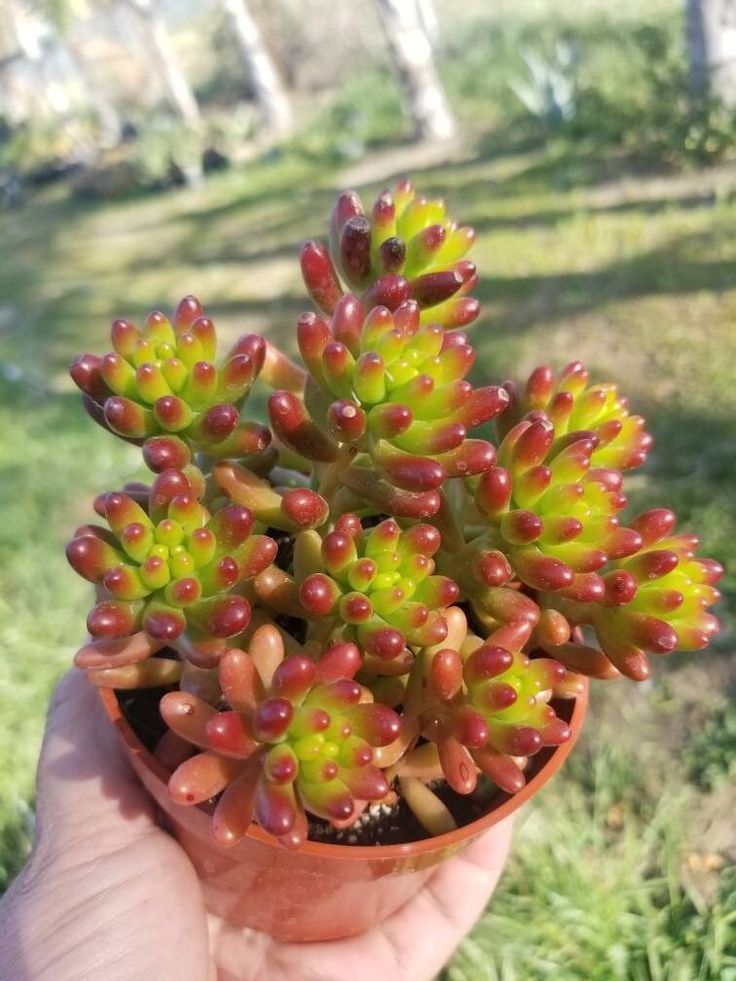
Table of Contents
🌞 Light Requirements
Jelly Bean Plants thrive in bright, indirect sunlight.
- Ideal: Place near a south- or west-facing window for maximum light.
- Direct sunlight: 1–2 hours of morning sun is fine, but harsh afternoon sun can scorch the leaves.
- Low light: The plant may survive but grow slowly and lose its vibrant colors.
💡 Tip: Rotate the plant occasionally to ensure even growth along its trailing stems.
💧 Watering Needs
As a succulent, the Jelly Bean Plant is drought-tolerant and prefers careful watering.
- Watering schedule: Allow the soil to dry completely between watering. Usually, watering every 2–3 weeks works in summer, less in winter.
- Method: Water deeply, letting excess drain out of the pot. Avoid letting the plant sit in water.
⚠️ Overwatering is the most common issue, causing root rot and leaf drop.
🌱 Soil Requirements
Jelly Bean Plants need well-draining succulent soil to prevent water retention.
- Recommended mix: Cactus/succulent potting soil + perlite or sand.
- Good drainage is essential; terracotta pots work well as they allow soil to dry faster.
🌡️ Temperature and Humidity
Being a tropical succulent, Jelly Bean Plants thrive in warm conditions.
- Optimal temperature: 65–80°F (18–27°C).
- Cold tolerance: Sensitive to frost; avoid temperatures below 50°F (10°C).
- Humidity: Low to moderate humidity is perfect. High humidity can lead to fungal problems.
💡 Tip: Keep indoors during winter or bring outside during warmer months.
🌸 Fertilizing Routine
Fertilization encourages healthy growth and vibrant leaves.
- Use a diluted succulent fertilizer once a month during the growing season (spring–summer).
- Stop feeding in fall and winter when the plant is dormant.
- Avoid over-fertilizing, as this can burn the roots.
✂️ Pruning and Maintenance
Jelly Bean Plants grow trailing stems that can reach several feet in length.
- Trim leggy or unhealthy stems to maintain shape.
- Remove dried or damaged leaves regularly.
- Pinching stems can encourage bushier growth.
🌱 Propagation
Propagation is simple and rewarding:
- Stem Cuttings:
- Cut a 3–4 inch healthy stem.
- Allow it to callus for 1–2 days.
- Plant in dry, well-draining soil. Roots will form in 2–3 weeks.
- Can also propagate by layering stems directly in soil.
⚠️ Common Problems and Solutions
- Shriveled leaves: Underwatering. Increase watering slightly.
- Yellow, mushy leaves: Overwatering. Reduce watering and check drainage.
- Leggy growth: Insufficient light. Move to a brighter location.
- Pests (mealybugs, aphids): Wipe leaves with neem oil or insecticidal soap.
🌿 Why Grow a Jelly Bean Plant?
- Attractive trailing stems with colorful, plump leaves.
- Low-maintenance and ideal for beginners.
- Perfect for hanging baskets, terrariums, and indoor gardens.
- Succulent nature makes it drought-tolerant and resilient.
🪴 Final Thoughts
The Jelly Bean Plant (Senecio radicans “Jelly Bean”) is an easy-to-care-for succulent that brings beauty, charm, and a tropical vibe to your home. With bright light, well-draining soil, careful watering, and occasional pruning, this trailing beauty can flourish indoors or outdoors, making it a perfect addition to any plant lover’s collection.