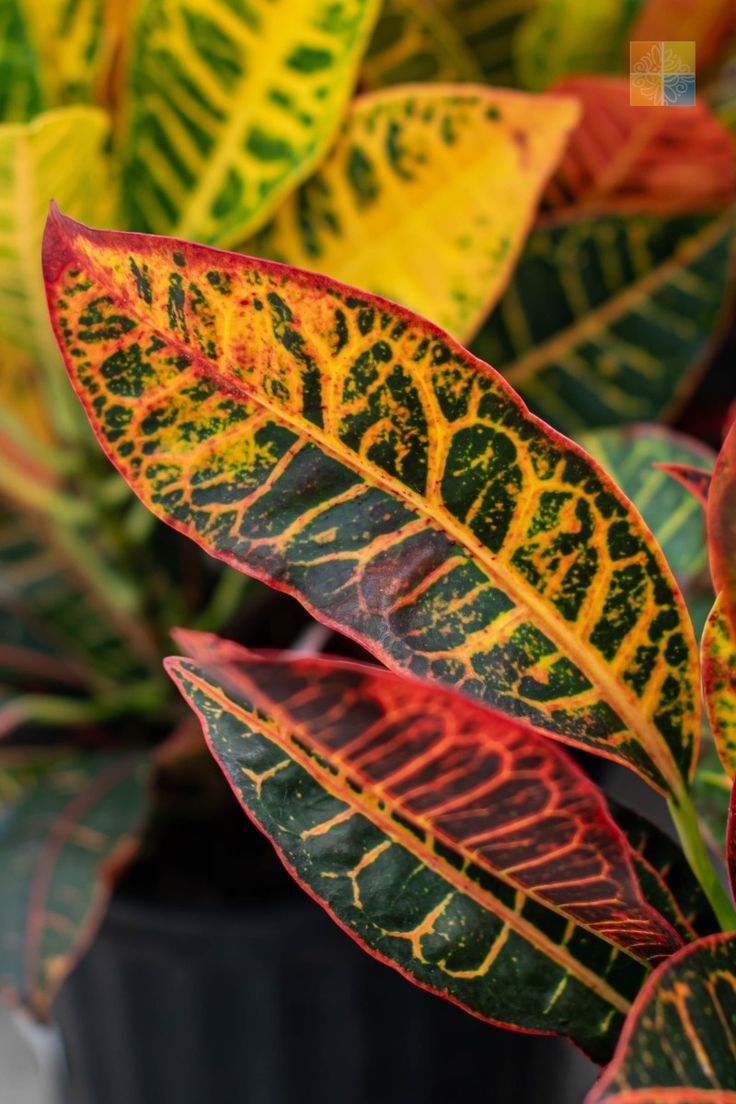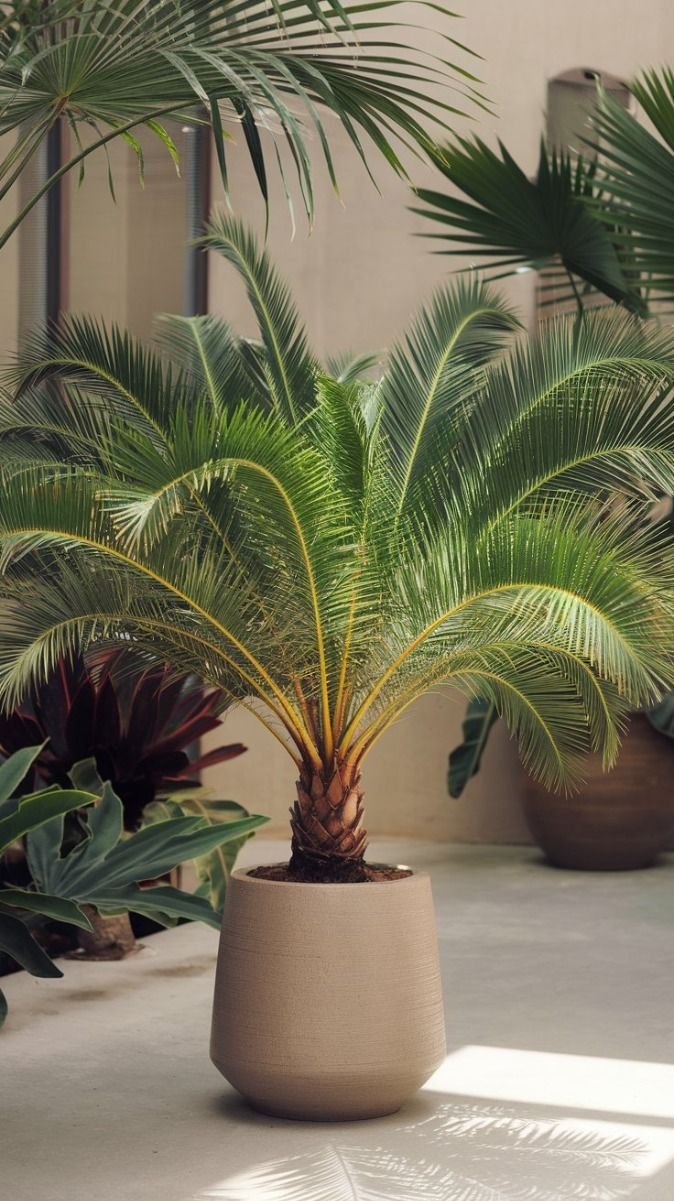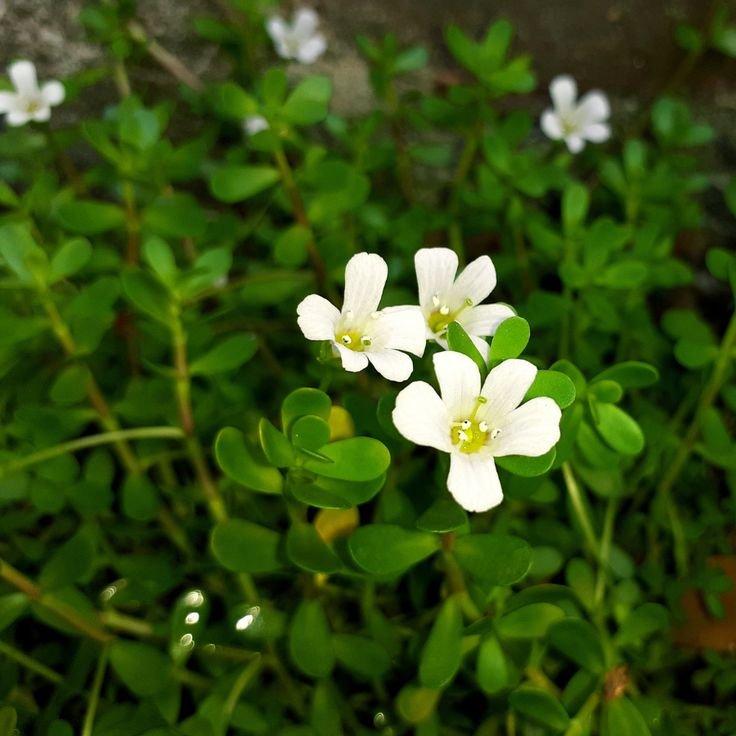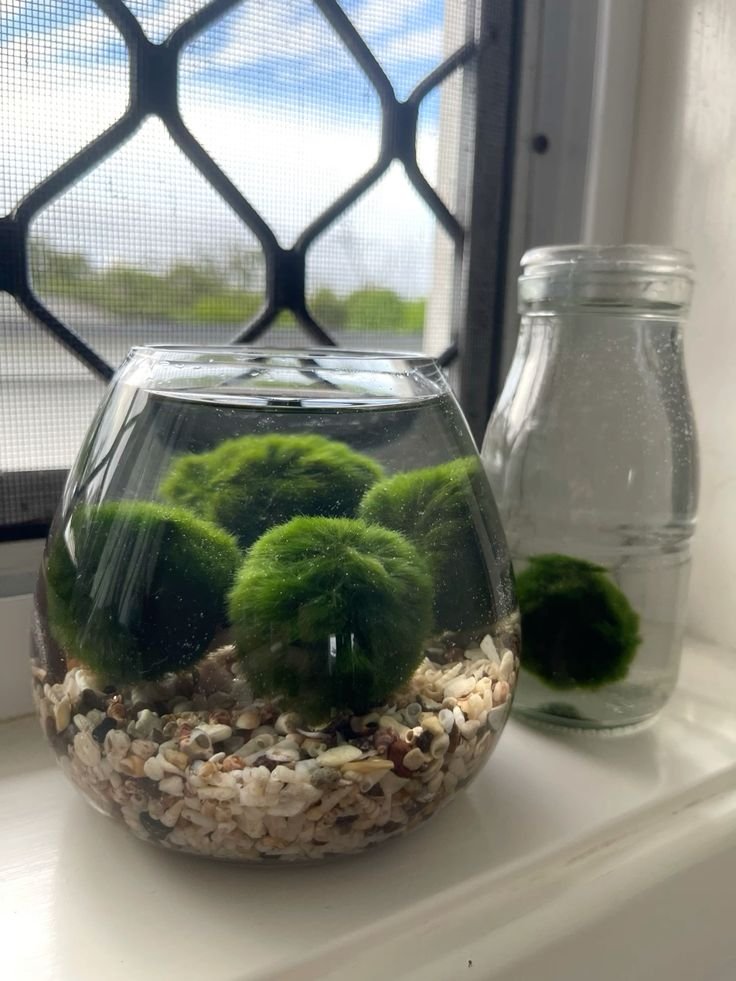
The Jurassic Plant is a captivating houseplant that brings a touch of prehistoric charm to modern indoor gardens. Often resembling ferns, cycads, or primitive foliage, these plants evoke the lush greenery of the Jurassic era and are admired for their unique textures, dramatic fronds, and timeless beauty.
Growing Jurassic Plants successfully requires understanding their ancient origins and natural habitat. With proper care, these plants can thrive indoors, adding a dramatic and exotic element to any space.
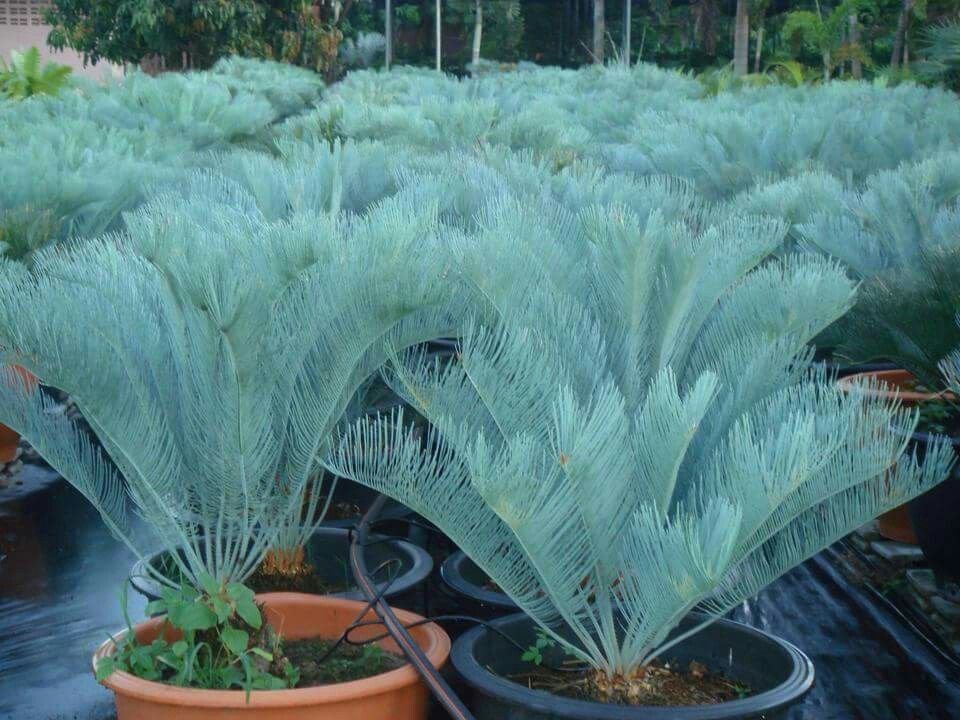
Table of Contents
🌞 Light Requirements
Jurassic Plants typically thrive in bright, indirect light:
- Ideal placement: Near east- or north-facing windows.
- Avoid direct sunlight: Too much sun can scorch delicate fronds.
- Low light tolerance: Many Jurassic Plants tolerate medium light but will grow slower.
💡 Tip: Rotate the plant occasionally to ensure all sides receive equal light exposure.
💧 Watering Needs
These plants prefer moist but well-draining soil:
- Water when the top 1–2 inches of soil feels dry.
- During warmer months, they may need watering every 5–7 days.
- Reduce watering in winter when growth slows.
- Humidity-loving: Mist the leaves regularly or place the plant on a pebble tray for tropical-style humidity.
⚠️ Overwatering is a common issue and can lead to root rot.
🌱 Soil Requirements
Jurassic Plants thrive in rich, well-aerated soil:
- Mix potting soil with peat moss, perlite, and sand for proper drainage.
- Soil should retain some moisture but never become waterlogged.
- Slightly acidic soil (pH 5.5–6.5) works best for most species.
🌡️ Temperature and Humidity
Being tropical in origin, these plants enjoy warm and humid conditions:
- Temperature: 65–80°F (18–27°C) is ideal.
- Protect from drafts, cold windows, and air-conditioning vents.
- Humidity: Aim for at least 50–70%. Jurassic Plants love a naturally humid environment, so consider a humidifier in dry rooms.
🌸 Fertilization
Jurassic Plants respond well to regular feeding:
- Use a balanced liquid fertilizer (10-10-10) every 4–6 weeks during spring and summer.
- Reduce feeding in fall and winter.
- Avoid overfertilizing as it can burn roots and damage foliage.
✂️ Pruning and Maintenance
Proper pruning keeps your Jurassic Plant healthy and visually striking:
- Remove yellow or damaged leaves regularly.
- Trim back fronds to encourage new growth.
- Jurassic Plants grow slowly, so pruning is mainly for appearance and health rather than size control.
🌱 Propagation
Propagation is typically done through cuttings, offsets, or division, depending on the species:
- Offsets: Gently separate young plants from the parent.
- Cuttings: Take healthy stem or frond sections, let callus, and plant in moist soil.
- Maintain high humidity until roots are established (usually 3–6 weeks).
⚠️ Common Problems and Solutions
- Yellow or brown leaves: Usually caused by overwatering or low humidity. Adjust care routine.
- Slow growth: Low light or insufficient nutrients. Move to brighter location and fertilize.
- Pests (spider mites, aphids, mealybugs): Treat with neem oil or insecticidal soap.
- Leaf drop: Often caused by sudden temperature changes or drafts. Keep conditions stable.
🌿 Benefits of Jurassic Plants
- Adds a prehistoric, exotic touch to any indoor space.
- Often low-maintenance compared to other decorative tropical plants.
- Improves air quality and adds lush greenery to rooms.
- Perfect for terrariums, large pots, or themed indoor jungles.
🪴 Final Thoughts
The Jurassic Plant is a unique addition to any plant collection, offering a glimpse of prehistoric greenery while thriving in modern indoor spaces. By providing indirect light, moist soil, high humidity, and occasional pruning, you can enjoy its dramatic foliage for years.
Whether placed in a living room, office, or terrarium, Jurassic Plants bring timeless beauty, lush textures, and a touch of ancient nature into your home.