
The Sweet Pepper plant (Capsicum annuum) is a versatile and popular garden vegetable known for its crisp texture, bright colors, and mild flavor. Unlike chili peppers, sweet peppers are non-spicy, making them perfect for salads, stir-fries, and a wide range of dishes.
Sweet peppers are not only delicious but also rich in vitamins A, C, and antioxidants. With proper care, these plants can produce a bountiful harvest all season long. This professional guide will cover everything you need to know about growing and maintaining healthy sweet pepper plants.
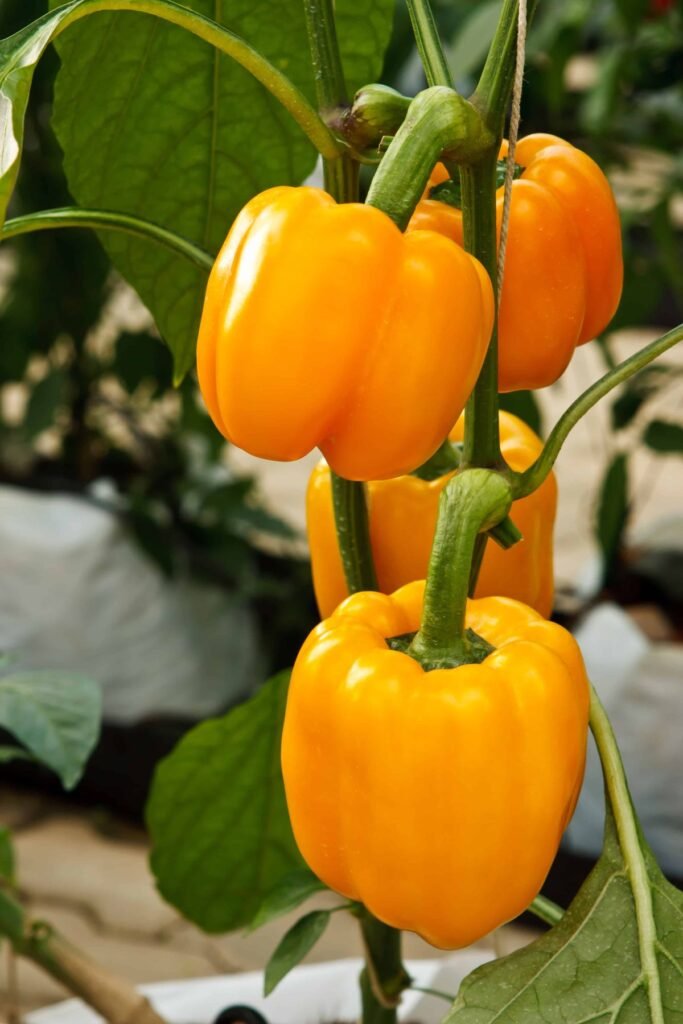
Table of Contents
🌞 Light Requirements
Sweet peppers are sun-loving plants that thrive in full sunlight.
- Ideal conditions: 6–8 hours of direct sunlight per day.
- Indoor gardening: Place near a south-facing window or under grow lights.
- Insufficient light: Results in weak stems, slow growth, and fewer fruits.
💡 Tip: Rotate plants regularly if they are in containers to ensure even sunlight exposure.
💧 Watering Needs
Sweet peppers require consistent moisture for optimal growth.
- Water deeply and evenly, keeping the soil moist but not waterlogged.
- Mulch around the base to retain moisture and reduce evaporation.
- Reduce watering slightly as fruits mature to enhance sweetness and flavor.
⚠️ Overwatering can cause root rot, while underwatering leads to wilting, flower drop, and poor fruit development.
🌱 Soil Requirements
Sweet peppers prefer well-draining, fertile soil.
- Ideal mix: Loamy soil enriched with compost or organic matter.
- Soil pH: Slightly acidic to neutral (6.0–6.8).
- Avoid heavy clay soil that retains too much water.
💡 Tip: Raised beds or containers with good drainage work excellently for sweet peppers.
🌡️ Temperature and Humidity
Being tropical plants, sweet peppers thrive in warm temperatures.
- Optimal daytime temperature: 70–85°F (21–29°C).
- Night temperature: 60–70°F (16–21°C).
- Cold sensitivity: Temperatures below 55°F (13°C) can stunt growth or cause flower drop.
- Moderate humidity (50–70%) is ideal; avoid excessive moisture on leaves to prevent fungal diseases.
🌸 Fertilization
Sweet peppers are heavy feeders and benefit from balanced fertilization.
- Use a balanced vegetable fertilizer (10-10-10 or 5-10-10) every 2–3 weeks during the growing season.
- Side-dress with compost or aged manure for continuous nutrient supply.
- Avoid excessive nitrogen, which encourages leaf growth at the expense of fruits.
✂️ Pruning and Maintenance
Proper maintenance ensures healthier plants and higher yields.
- Remove yellow or damaged leaves regularly.
- Pinch off early flowers in young plants to encourage stronger root and stem growth.
- Stake taller varieties to support heavy fruit and prevent stem breakage.
🌱 Propagation
Sweet peppers are usually propagated from seeds.
- Start seeds indoors 8–10 weeks before the last frost.
- Use seed trays with light, well-draining soil.
- Maintain soil temperature around 70–80°F (21–27°C) for faster germination.
- Transplant seedlings outdoors after the danger of frost has passed.
💡 Tip: Harden off seedlings by gradually exposing them to outdoor conditions for 7–10 days before planting in the garden.
⚠️ Common Problems and Solutions
- Blossom Drop: Often caused by temperature stress or inconsistent watering. Maintain stable warmth and soil moisture.
- Yellow Leaves: May result from nutrient deficiency or overwatering. Check soil pH and fertilization.
- Aphids, Whiteflies, and Spider Mites: Spray with neem oil or insecticidal soap to control infestations.
- Fungal Diseases (Powdery Mildew, Leaf Spot): Ensure proper spacing, adequate air circulation, and avoid wetting leaves.
🌶️ Harvesting Sweet Peppers
- Fruits are ready to harvest when they reach full size and color (green, red, yellow, or orange depending on variety).
- Use sharp scissors or pruning shears to cut peppers from the plant to avoid damaging stems.
- Harvest regularly to encourage more fruit production.
🌟 Benefits of Growing Sweet Peppers
- Adds vibrant colors and flavor to meals.
- Rich in vitamins and antioxidants.
- Easy to grow in containers, raised beds, or garden soil.
- Encourages sustainable home gardening and self-sufficiency.
🪴 Final Thoughts
Growing Sweet Pepper plants (Capsicum annuum) is rewarding for both beginners and experienced gardeners. By providing plenty of sunlight, consistent watering, fertile soil, and proper maintenance, your sweet pepper plants will thrive and produce a delicious, colorful harvest.
With attention to detail and a little care, these plants can be a beautiful and productive addition to your garden or balcony—bringing both nutrition and joy to your table.
One Comment